Promotion Is Rarely About Technical Skill Alone
In every analytics team, a familiar pattern emerges over time. Two analysts may start at the same level, possess similar technical skills, and work on comparable projects. Yet within a few years, one moves quickly into senior roles, influences strategic discussions, and gains leadership visibility, while the other remains in a purely operational position. This contrast often raises a quiet but important question: why do some analysts get promoted faster?
At first glance, the answer appears simple. Many assume that promotions are based primarily on technical expertise. It seems logical that the analyst who writes cleaner SQL, builds more advanced dashboards, or develops more complex models would advance more quickly. However, when we look more closely at how organizations actually promote talent, a different pattern becomes visible.
Technical competence is necessary, but it is rarely sufficient. Promotions are awarded not only for execution but for impact. They reflect not just what an analyst can do, but what the business believes that analyst enables. Therefore, understanding why some analysts accelerate in their careers requires examining how they think, communicate, position their work, and connect analytics to decisions.
This article explores the deeper factors that drive promotion in business analysis and analytics roles. It examines the behaviors, mindsets, and strategic habits that differentiate fast-growing analysts from those who plateau. More importantly, it provides practical insight into how analysts can deliberately evolve from task executors into strategic contributors.
Technical Mastery Is the Entry Ticket, Not the Differentiator

Every analyst must develop a solid technical foundation. Proficiency in SQL, data modeling, visualization tools, and statistical reasoning forms the baseline for credibility. Without these capabilities, advancement becomes difficult because the analyst lacks the core skills required to deliver value.
However, once technical competence is established, it quickly becomes standardized. In most mature analytics teams, nearly everyone can write queries, clean data, and build dashboards. At this stage, technical ability stops being a differentiator and starts being an expectation.
Analysts who get promoted faster recognize this early. Rather than focusing exclusively on mastering tools, they begin to master context. They move beyond asking how to build something and start asking why it matters. While others concentrate on technical perfection, they concentrate on business relevance.
This shift is subtle but powerful. It reframes the analyst’s identity from technician to problem solver. Promotions often follow that transformation.
The Shift From Reporting to Decision Support

One of the most important distinctions between analysts who advance quickly and those who do not lies in how they view their role. Many analysts see their primary responsibility as producing accurate reports. They measure success by the correctness of numbers, the clarity of charts, or the speed of delivery.
In contrast, analysts who get promoted faster view their responsibility differently. They see themselves as decision enablers. Instead of asking whether a dashboard is complete, they ask whether it changes behavior. Instead of celebrating report delivery, they evaluate whether stakeholders act differently afterward.
This orientation toward decisions fundamentally alters their work. They design metrics around business choices. They clarify assumptions. They anticipate questions before meetings occur. They translate data into implications rather than leaving interpretation to others.
Because leadership ultimately cares about decisions, not reports, analysts who connect directly to decision-making become more visible and valuable.
Understanding the Business Beyond the Data

Another critical factor influencing promotion speed is business fluency. Analysts who rise quickly invest significant effort in understanding how the organization makes money, where risks exist, how departments interact, and what strategic priorities drive leadership conversations.
This business understanding changes how they analyze problems. Rather than presenting isolated insights, they frame findings within strategic context. They understand the trade-offs involved in recommendations. They consider operational feasibility alongside analytical accuracy.
For example, when analyzing declining customer retention, a technically focused analyst may present churn rates and segmentation breakdowns. A business-focused analyst, however, will connect churn to revenue forecasts, marketing efficiency, product improvements, and long-term growth strategy. The second approach resonates more strongly with senior leaders because it reflects business thinking, not just analytical output.
Promotion decisions often hinge on perceived readiness for broader responsibility. Analysts who demonstrate business fluency signal that they are prepared to operate at higher levels.
Communication as a Strategic Skill

Strong communication consistently distinguishes fast-promoted analysts. Communication in analytics is not merely about presenting slides clearly. It involves structuring narratives, anticipating objections, simplifying complexity, and aligning insights with stakeholder priorities.
Many technically strong analysts struggle because they assume that numbers speak for themselves. However, data rarely drives action without interpretation. Leaders operate under time pressure and cognitive load. They need clarity, not complexity.
Analysts who get promoted faster understand this dynamic. They simplify without oversimplifying. They frame insights around impact. They answer the implicit question every executive asks: what should we do differently because of this?
Over time, strong communicators build trust. They are invited into more conversations. Their influence expands beyond analytics projects. This visibility accelerates career progression.
Proactive Ownership Instead of Reactive Execution

Another defining characteristic of fast-growing analysts is proactive ownership. Rather than waiting for assignments, they identify gaps. They notice inconsistencies in data definitions. They propose improvements to dashboards. They suggest new analyses aligned with emerging business questions.
This proactive behavior signals leadership potential. Organizations promote individuals who demonstrate initiative because they reduce dependency on supervision. They anticipate needs rather than respond to requests.
Proactive analysts also follow through. When they identify issues, they work across teams to resolve them. They document processes. They ensure improvements are sustained. This consistency builds credibility.
Reactive execution, while valuable, rarely differentiates. Proactive ownership does.
Building Relationships Across Functions

Promotion is rarely decided in isolation. It often reflects a combination of performance, perception, and influence. Analysts who build strong cross-functional relationships increase their visibility and perceived value.
By collaborating closely with marketing, finance, operations, and product teams, they gain insight into diverse perspectives. They learn how different departments interpret metrics. They adapt their communication style accordingly.
Moreover, strong relationships create advocates. When promotion discussions occur, leaders from multiple functions can attest to the analyst’s impact. This multi-dimensional support often accelerates advancement.
Analysts who remain confined to the analytics team may deliver excellent work, yet their influence remains limited. Broader relationship networks expand opportunities.
Comfort With Ambiguity and Complexity

As analysts move into more senior roles, problems become less structured. Clear datasets and defined metrics give way to ambiguous questions and incomplete information. Analysts who get promoted faster demonstrate comfort operating in this uncertainty.
Instead of demanding perfect data before acting, they work iteratively. They clarify assumptions. They communicate limitations transparently. They move conversations forward even when clarity is partial.
This ability to navigate ambiguity signals readiness for higher-level responsibilities. Leadership roles require decision-making under uncertainty. Analysts who demonstrate this capability early are seen as promotable.
Delivering Impact, Not Just Output
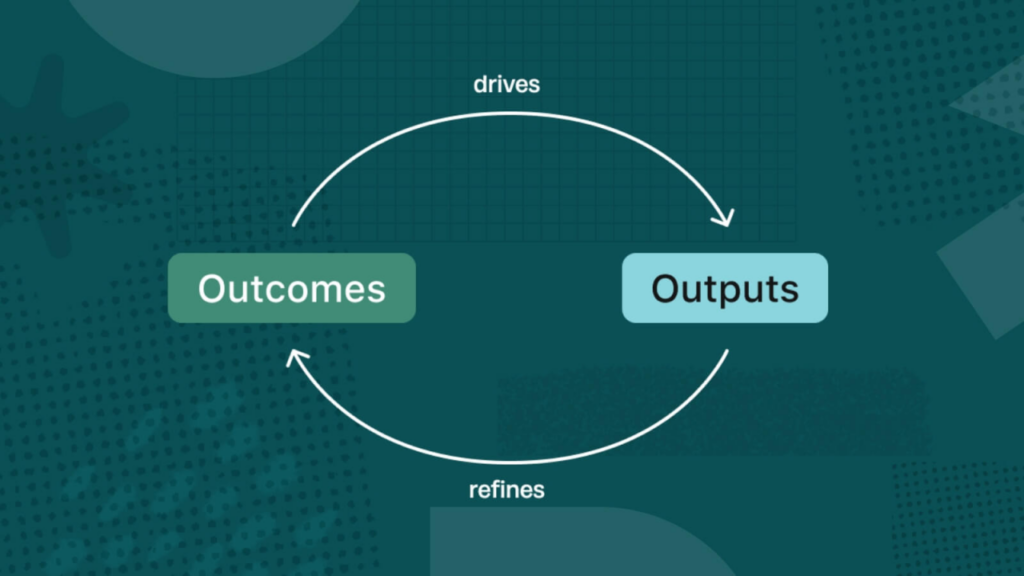
Perhaps the most significant factor influencing promotion speed is impact. Output refers to the volume or quality of deliverables. Impact refers to the measurable change those deliverables create.
An analyst may produce dozens of dashboards, but if none alter strategy or improve performance, the perceived value remains limited. Conversely, an analyst who leads a single initiative that reduces costs, improves retention, or enhances forecasting accuracy creates visible impact.
Fast-promoted analysts focus intentionally on impact. They select projects carefully. They align their work with strategic priorities. They track the outcomes of their analyses. They communicate results clearly.
By linking their contributions to tangible business improvements, they strengthen their case for advancement.
Continuous Learning and Strategic Skill Expansion

Promotion also reflects growth potential. Analysts who demonstrate curiosity and a willingness to expand beyond their comfort zone are often viewed as long-term investments.
This learning extends beyond new tools. It includes leadership skills, stakeholder management, and strategic thinking. Analysts who seek feedback, reflect on mistakes, and refine their approach show maturity.
Over time, this growth compounds. While others remain technically competent but static, growth-oriented analysts evolve into strategic contributors.
Promotion Is About Value Perception

Ultimately, why some analysts get promoted faster comes down to perceived value. Technical skill opens the door, but strategic thinking, communication, ownership, and impact determine advancement.
Related Articles: The Rise of AI Analysts , How ChatGPT and Gemini Are Changing Business Intelligence
Fast-growing analysts understand that analytics is not about data alone. It is about enabling better decisions, reducing uncertainty, and driving measurable change. They align their work with business priorities. They build trust. They expand influence.
Promotion is not random. It is a reflection of readiness for broader responsibility. Analysts who deliberately cultivate business understanding, communication strength, and proactive ownership position themselves for faster growth.
In the end, the question is not who is the most technically skilled. It is who consistently makes the business better. Those analysts are the ones who rise.