Moving Beyond Reporting to Real Influence
In many organizations, the role of the analyst is still narrowly defined. Analysts are often seen as report builders, dashboard designers, data extractors, or model developers. Their work is appreciated, yet it is frequently treated as supportive rather than strategic. They are called upon to “pull numbers,” “validate figures,” or “update reports.” While these tasks are necessary, they represent only a fraction of the potential value an analyst can deliver.
The true power of analytics does not lie in producing numbers. It lies in shaping decisions. Ultimately, businesses do not succeed because they have dashboards. They succeed because they make better decisions than their competitors. Therefore, the most impactful analysts are not merely data specialists. They are decision facilitators.
The analyst as a decision facilitator occupies a distinct position within the organization. This role bridges data and action, insight and strategy, metrics and movement. Instead of simply answering questions, the decision-facilitating analyst clarifies problems, challenges assumptions, structures ambiguity, and guides stakeholders toward informed choices.
Understanding this evolution is critical for modern business analysts and analytics leaders. As organizations become increasingly data-driven, the expectation shifts from reporting performance to enabling strategic clarity. This article explores what it truly means to act as a decision facilitator, why this role is essential, and how analysts can deliberately cultivate the mindset and skills required to operate at this higher level of influence.
The Limitations of the Traditional Reporting Model
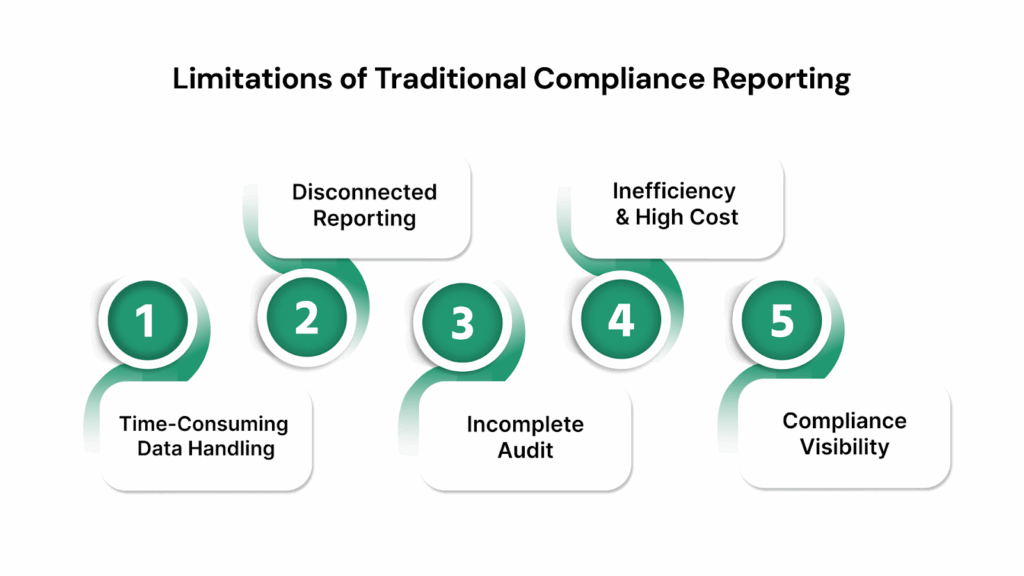
To appreciate the importance of decision facilitation, it is necessary to first examine the limitations of the traditional reporting model. In many companies, analytics workflows follow a predictable pattern. A stakeholder requests data. The analyst gathers it, cleans it, visualizes it, and presents findings. The report is delivered. The meeting concludes.
However, what happens next is often unclear. Sometimes a decision is made. Sometimes it is postponed. In other cases, stakeholders leave with more questions than answers. The analyst may feel that their job is complete because the report was accurate and delivered on time. Yet from a business perspective, the real objective was never the report. It was the decision.
When analytics stops at reporting, a critical gap emerges. Data is presented, but interpretation is inconsistent. Metrics are shown, but implications are ambiguous. Different stakeholders may draw different conclusions from the same dashboard. Consequently, alignment weakens, and action slows.
This gap highlights a fundamental truth: information alone does not guarantee clarity. Without guidance, even high-quality analysis can fail to produce meaningful movement. Therefore, analysts who remain confined to reporting risk limiting their impact.
Redefining the Analyst’s Core Responsibility
If the goal of analytics is to improve decisions, then the analyst’s core responsibility must extend beyond data preparation and visualization. It must include facilitating understanding and guiding conversation.
Decision facilitation begins with recognizing that data exists within a broader organizational context. Stakeholders bring perspectives, biases, incentives, and constraints into every discussion. Numbers may appear objective, yet their interpretation is shaped by human factors.
The analyst who facilitates decisions understands this dynamic. Rather than presenting findings passively, they actively structure dialogue. They clarify what question is truly being asked. They highlight trade-offs. They surface assumptions that may otherwise remain implicit.
For example, when analyzing declining profitability, a reporting-focused analyst might present revenue trends, cost breakdowns, and margin analysis. A decision facilitator, however, goes further. They frame the discussion around strategic options. They explore whether the issue stems from pricing, operational inefficiency, or customer mix. They connect insights to potential courses of action.
In doing so, they shift the conversation from observation to evaluation. This shift transforms analytics from descriptive to directional.
Clarifying the Decision Before Analyzing the Data

One of the most powerful practices of decision-facilitating analysts is clarifying the decision before diving into analysis. Too often, analytics projects begin with vague questions. Stakeholders may ask for “performance insights” or “trend analysis” without articulating what choice they need to make.
When analysts proceed without clarifying the decision context, they risk generating insights that are technically sound but strategically misaligned. The analysis may answer a question, yet not the right question.
Decision facilitation requires stepping back and asking deeper questions. What decision are we trying to support? What alternatives are being considered? What constraints exist? What would change depending on the outcome?
By framing the analysis around a specific decision, the analyst narrows focus and increases relevance. The resulting insights are more likely to influence action because they are explicitly tied to choice.
Moreover, this approach prevents analysis from becoming an academic exercise. It grounds the work in business reality and ensures that findings translate into movement.
Structuring Complexity Into Clarity
Modern business environments are complex. Data sources multiply. Metrics proliferate. Market conditions shift rapidly. Stakeholders face information overload. In such contexts, clarity becomes a scarce resource.
The analyst as decision facilitator acts as a translator and simplifier. This does not mean oversimplifying important nuances. Rather, it means structuring complexity into coherent narratives.
For instance, when evaluating customer churn, data may reveal dozens of contributing factors. A reporting approach might present all variables equally. A facilitation approach, however, prioritizes drivers, identifies patterns, and highlights the most influential elements.
This structured clarity helps stakeholders focus their attention. Instead of being overwhelmed by data, they understand where leverage points exist. Consequently, they can allocate resources more effectively.
Clarity accelerates alignment. Alignment accelerates action.
Challenging Assumptions Constructively

Another essential element of decision facilitation is the ability to challenge assumptions respectfully. Business leaders often operate under long-standing beliefs about markets, customers, and operations. While experience is valuable, it can also introduce blind spots.
The analyst occupies a unique position. With access to data and analytical tools, they can test assumptions objectively. However, the manner in which they present findings determines whether those insights are accepted or resisted.
A reporting-focused analyst might simply display numbers that contradict expectations. A decision facilitator, in contrast, frames discrepancies thoughtfully. They explore possible explanations. They invite discussion rather than confrontation.
For example, if leadership believes that a marketing campaign is driving growth, but data suggests limited impact, the facilitator does not merely present the contradiction. They explore alternative interpretations, examine segmentation, and discuss potential refinements.
By handling tension constructively, the analyst strengthens trust. Trust, in turn, makes future facilitation more effective.
Balancing Data With Judgment
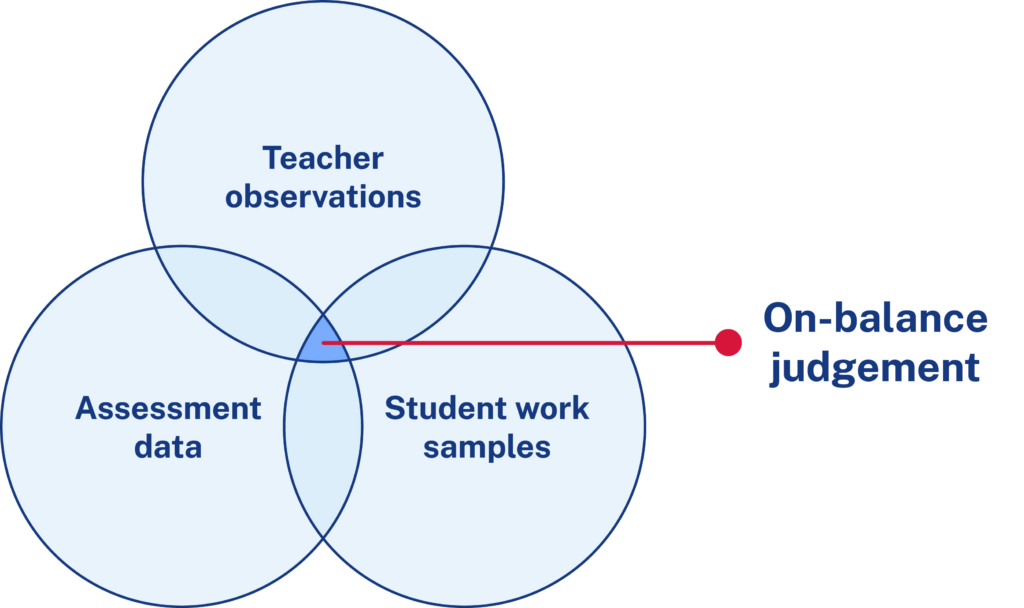
While data provides evidence, decisions often involve uncertainty and trade-offs. No dataset is perfect. No forecast is certain. Therefore, facilitation requires balancing quantitative insight with qualitative judgment.
The analyst must communicate confidence levels clearly. They must articulate limitations without undermining credibility. They must explain what the data supports and where assumptions begin.
This transparency empowers stakeholders to make informed decisions. It reduces overconfidence and prevents misinterpretation. At the same time, it avoids paralysis caused by excessive caution.
In practice, this balance transforms analytics discussions. Instead of debating whether data is flawless, conversations focus on risk tolerance, scenario planning, and strategic priorities.
Encouraging Ownership and Accountability

Effective decisions require ownership. When analysts facilitate discussions, they can subtly guide conversations toward accountability. Rather than ending meetings with vague conclusions, they clarify next steps and responsible parties.
This does not mean assuming managerial authority. Rather, it involves ensuring that insights translate into commitment. For example, after presenting operational inefficiencies, the facilitator may ask which team will investigate root causes or implement improvements.
By reinforcing accountability, the analyst ensures that analytics leads to execution rather than remaining theoretical.
The Psychological Dimension of Decision Facilitation
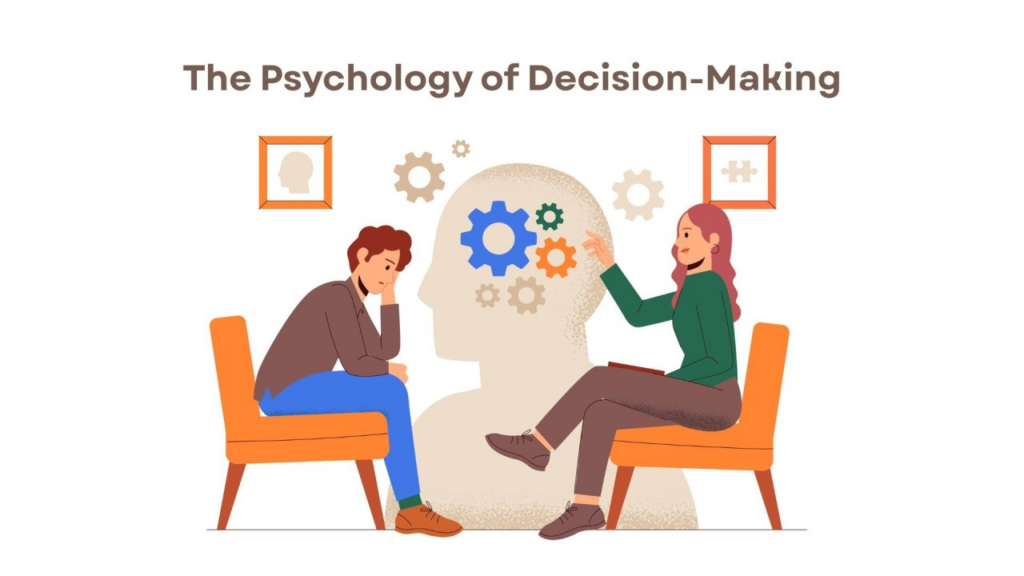
Decision-making is not purely rational. Emotions, incentives, and organizational politics influence outcomes. Analysts who understand this dimension become more effective facilitators.
They recognize when stakeholders feel defensive. They anticipate resistance to change. They frame recommendations in ways that align with organizational priorities.
For example, suggesting cost reductions may trigger anxiety in operations teams. However, framing efficiency improvements as opportunities for reinvestment or innovation can shift perception.
This psychological awareness enhances influence without compromising analytical integrity.
Developing the Mindset of a Facilitator

Transitioning from reporter to facilitator requires intentional development. Analysts must cultivate curiosity about business strategy. They must practice active listening. They must refine communication skills continuously.
Equally important, they must adopt a service-oriented mindset. Facilitation is not about showcasing expertise. It is about enabling better outcomes for the organization.
This shift in mindset often marks a turning point in an analyst’s career. As influence grows, so does responsibility. Decision facilitators become trusted advisors rather than technical specialists.
Organizational Benefits of Decision-Focused Analytics
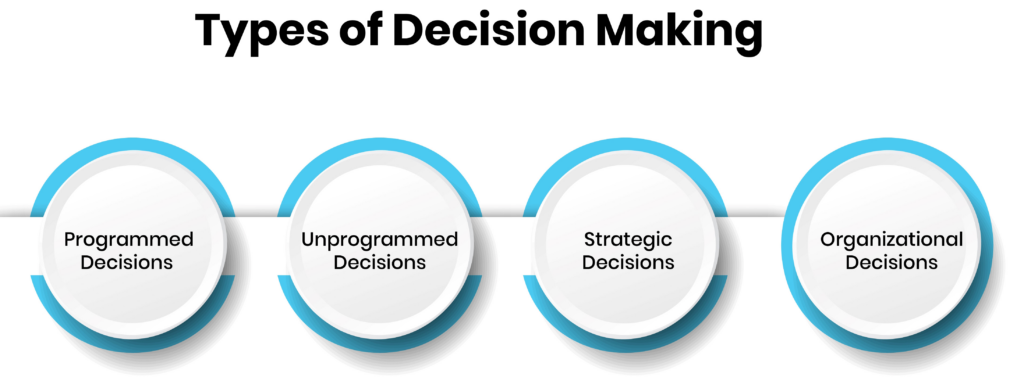
When analysts operate as facilitators, organizational performance improves. Meetings become more structured. Discussions become more evidence-based. Decisions become more deliberate.
Moreover, alignment strengthens across departments. Because insights are framed within shared objectives, silos weaken. Teams understand not only what the data shows, but why it matters collectively.
Over time, this culture shift compounds. Data becomes integrated into strategic thinking rather than appended as justification.
Elevating the Analyst’s Role

The analyst as a decision facilitator represents the evolution of business analysis. In an era saturated with data, the differentiator is not access to information but the ability to translate information into clarity and action.
Reporting remains important. Technical skill remains foundational. Yet influence arises from something deeper. It arises from guiding conversations, structuring ambiguity, challenging assumptions thoughtfully, and connecting insights directly to choices.
Related Articles: Why Some Analysts Get Promoted Faster
When analysts embrace this role, they elevate both their impact and their careers. They move from being asked for numbers to being invited into strategic discussions. They become partners in shaping direction rather than observers of performance.
Ultimately, the true value of analytics is realized not when dashboards are delivered, but when better decisions are made. The analyst who understands this truth and acts accordibecomes indispensable.