Every business decision, whether strategic or operational, is ultimately built on data. Leaders rely on reports to decide where to invest, managers depend on dashboards to track performance, and analysts use datasets to uncover trends and risks. Yet despite this heavy reliance on data, one foundational truth is often overlooked: decisions are not driven by data itself, but by the quality of that data.
Data cleaning is frequently treated as a technical chore, something that must be done before “real analysis” begins. It is often rushed, delegated, or underestimated. However, in reality, data cleaning is one of the most important analytical activities in any organization. It directly influences the accuracy of insights, the trust stakeholders place in reports, and ultimately the quality of business decisions.
When data is poorly cleaned, decisions become distorted. Metrics appear reliable when they are not. Trends point in the wrong direction. Opportunities are missed, and risks are underestimated. On the other hand, when data is properly cleaned and validated, analysis becomes clearer, insights become sharper, and decisions become more confident.
This article explores how data cleaning directly impacts business decisions, not in theory, but in practice. It explains why data cleaning is a business responsibility as much as a technical one, how poor data quality silently undermines strategy, and how analysts can use data cleaning as a powerful decision-enabling tool rather than a background task.
Why Data Cleaning Is a Business Activity, Not Just a Technical One
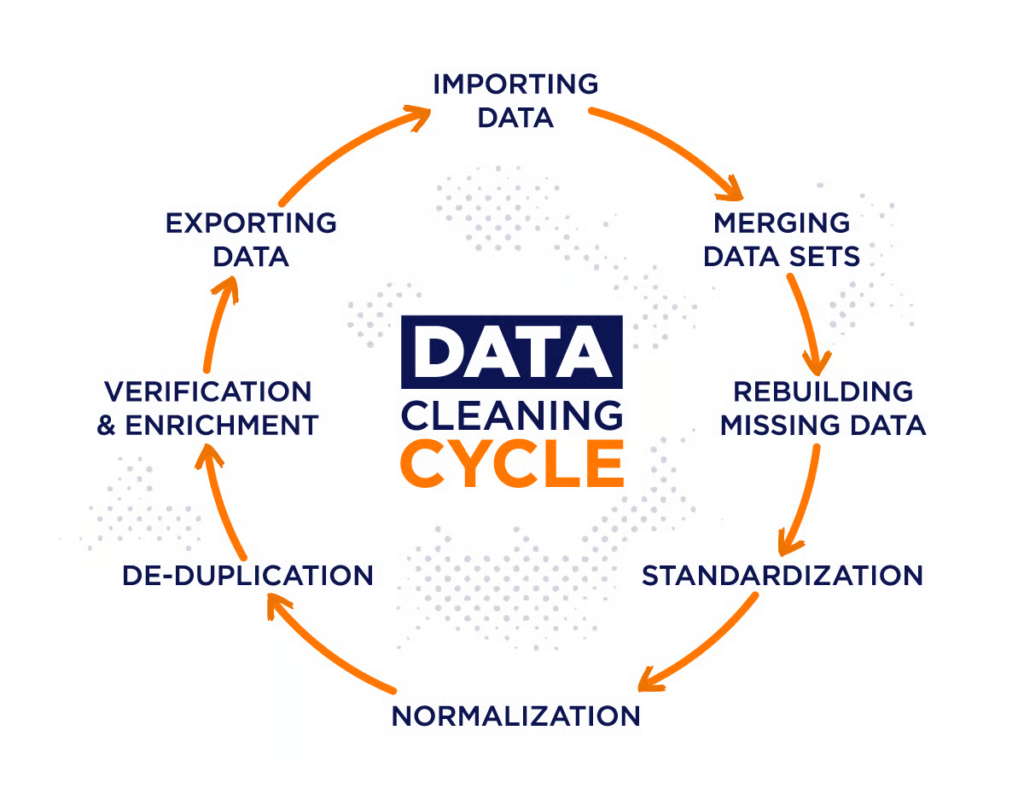
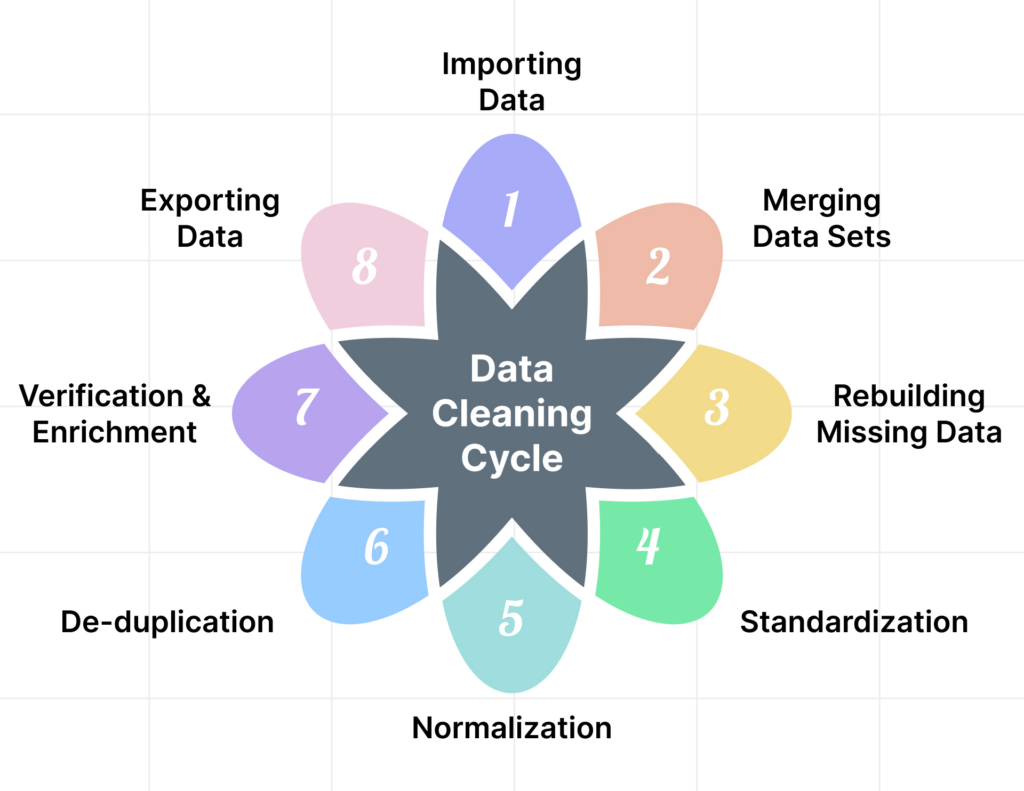
At first glance, data cleaning may seem like a purely technical process. It involves handling missing values, correcting formats, resolving duplicates, and standardizing fields. Because of this, it is often viewed as preparatory work that happens quietly before insights are generated. However, this perception hides its true impact.
Every data cleaning decision involves judgment. Choosing how to handle missing values affects averages, trends, and forecasts. Deciding which duplicates to remove can change customer counts and revenue figures. Standardizing categories can redefine how performance is measured across regions, teams, or products.
In other words, data cleaning decisions shape the story the data tells. They influence how metrics behave and how stakeholders interpret results. This is why data cleaning is not neutral. It directly affects business narratives and, therefore, business decisions.
When analysts treat data cleaning as a business activity, they become more deliberate. They ask why data is missing, not just how to fill it. They consider the business meaning behind inconsistencies rather than simply fixing them. This mindset transforms data cleaning from a mechanical task into a strategic one.
The Hidden Cost of Dirty Data in Decision-Making
Dirty data rarely announces itself loudly. Instead, it introduces subtle distortions that accumulate over time. A small inconsistency in customer records may not raise alarms immediately, but it can skew retention analysis. A formatting issue in dates might seem harmless, yet it can misalign time-based trends. Duplicate transactions might slightly inflate revenue figures, creating false confidence.
These issues often go unnoticed because dashboards still load, charts still render, and numbers still look plausible. However, decisions based on plausible but incorrect data are often worse than decisions made with no data at all.
For example, imagine a leadership team reviewing a dashboard that shows steady revenue growth. Based on this insight, they decide to expand into new markets. Months later, they discovered that revenue growth was overstated due to duplicated transactions and inconsistent currency conversions. The expansion decision, while logical at the time, was based on flawed inputs.
This scenario highlights a critical reality. Poor data cleaning does not simply produce wrong numbers. It produces confident decisions built on false assumptions. The cost of those decisions can be enormous, affecting budgets, staffing, strategy, and reputation.
How Data Cleaning Shapes Key Business Metrics
To understand how deeply data cleaning affects decisions, it helps to examine how it influences core business metrics. Metrics such as revenue, customer counts, churn rates, and operational efficiency all depend on clean data.
Consider customer analytics. If customer records are duplicated due to inconsistent identifiers, retention rates may appear lower than they truly are. This can lead decision-makers to believe customer loyalty is declining, prompting unnecessary changes in pricing or marketing strategy. Conversely, if churn is underreported because inactive customers are not flagged correctly, the business may fail to address serious retention issues.
Similarly, in financial analysis, inconsistent categorization of expenses can distort profitability metrics. A cost recorded under multiple categories might inflate total expenses, while missing entries could hide inefficiencies. Decisions about cost cutting, investment, or pricing are directly affected by these distortions.
Operational metrics are equally vulnerable. If timestamps are inconsistent or missing, cycle time and throughput calculations become unreliable. This can cause managers to misjudge performance, either overestimating efficiency or overlooking bottlenecks.
In each case, data cleaning determines whether metrics reflect reality or fiction. Since decisions are based on these metrics, the impact of data cleaning extends far beyond the data team.
The Invisible Link Between Data Cleaning and Decisions
One of the most significant effects of data cleaning is its impact on trust. Decision-makers must trust the data before they trust the insights derived from it. Once trust is lost, even accurate reports are questioned.
Trust is fragile. A single incident where a dashboard contradicts known reality can undermine confidence in the entire analytics function. When this happens, stakeholders may revert to intuition or anecdotal evidence, sidelining data altogether.
Data cleaning plays a critical role in maintaining trust because it reduces inconsistencies and surprises. Clean data behaves predictably. Numbers reconcile across reports. Trends align with business experience. When stakeholders see consistent, reliable data over time, trust grows.
Conversely, when data cleaning is neglected, trust erodes quietly. Stakeholders may not voice their doubts immediately, but they begin to double-check numbers, request alternative reports, or ignore dashboards altogether. This erosion of trust weakens the influence of analytics in decision-making.
Data Cleaning and the Speed of Decision-Making
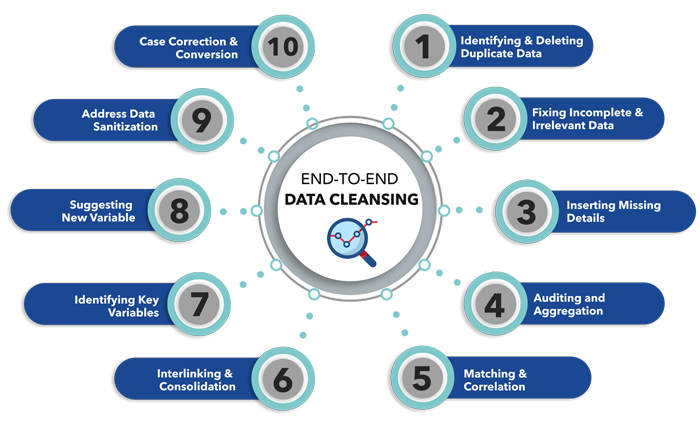
In fast-moving business environments, speed matters. Leaders often need answers quickly, especially during periods of uncertainty or rapid change. Clean data accelerates decision-making by reducing friction.
When data is clean, analysts spend less time reconciling discrepancies and more time interpreting results. Dashboards update smoothly, reports align, and questions can be answered with confidence. This allows organizations to respond faster to market changes, operational issues, or emerging risks.
On the other hand, poor data quality slows everything down. Analysts must explain anomalies, justify numbers, and rebuild reports repeatedly. Stakeholders hesitate to act, waiting for confirmation or clarification. Decisions are delayed, and opportunities may pass.
Thus, data cleaning directly influences not only the quality of decisions but also their timeliness.
The Role of the Business Analyst in Data Cleaning
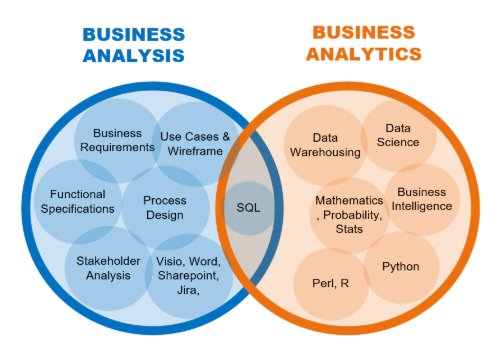
Business analysts sit at the intersection of data and decision-making. This position gives them a unique responsibility in data cleaning efforts. While engineers may manage pipelines and infrastructure, analysts understand how data is used and how it influences decisions.
As a result, analysts are often best positioned to identify data quality issues that matter. They notice when metrics behave unexpectedly, when definitions are unclear, or when data does not align with business reality. By addressing these issues early, analysts prevent flawed decisions downstream.
Furthermore, analysts play a key role in communicating data cleaning choices. Explaining how missing values were handled or why certain records were excluded builds transparency. This transparency strengthens trust and helps stakeholders understand the limitations and assumptions behind insights.
In this sense, data cleaning is not just about fixing data. It is about aligning data with business meaning.
How Data Cleaning Enables Better Forecasting and Prediction
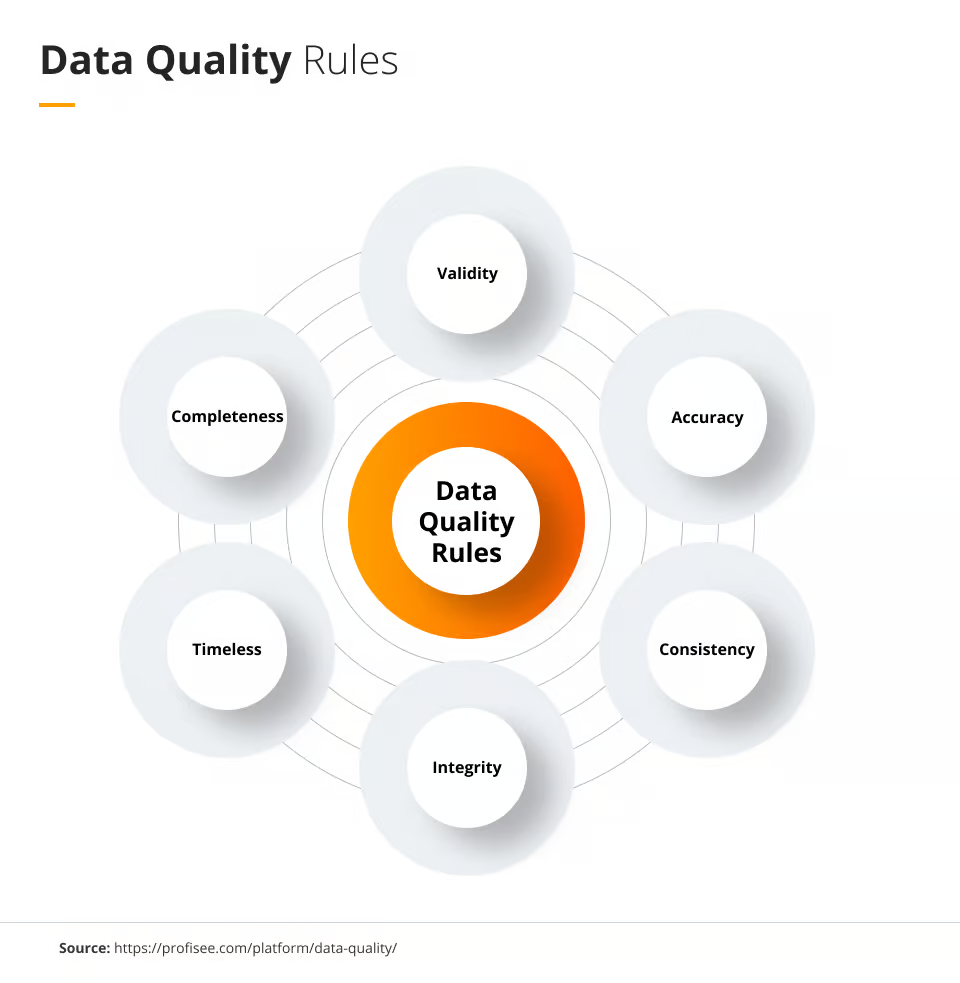
Predictive analytics and forecasting rely heavily on historical data. If historical data is inconsistent, incomplete, or inaccurate, predictions become unreliable. This is particularly dangerous because predictive outputs often carry a sense of authority.
Clean data provides a stable foundation for forecasting. It ensures that patterns reflect actual behavior rather than artifacts of data quality issues. This leads to more accurate projections, better scenario planning, and more informed strategic decisions.
For example, sales forecasts built on clean transaction data can help organizations plan inventory, staffing, and cash flow more effectively. In contrast, forecasts built on noisy data may lead to overproduction, underinvestment, or missed growth opportunities.
Thus, data cleaning directly affects not only current decisions but also future-oriented ones.
Data Cleaning as a Competitive Advantage

Organizations that invest in data cleaning gain a competitive edge. They make decisions with greater confidence, move faster, and adapt more effectively to change. Their analytics teams spend more time generating insights and less time fixing errors.
This advantage compounds over time. As clean data accumulates, historical analysis improves, models become more accurate, and institutional knowledge grows. Decision-makers develop greater confidence in analytics, leading to deeper integration of data into strategy.
In contrast, organizations that neglect data cleaning remain trapped in reactive mode. They constantly question their numbers, struggle to align reports, and hesitate to act. Over time, this hesitation can be costly.
Shifting the Perception of Data Cleaning

One of the biggest challenges in improving data cleaning practices is perception. Many organizations still view it as low-value work. Changing this perception requires reframing data cleaning as decision enablement.
When leaders understand that data cleaning directly influences revenue forecasts, customer strategies, operational efficiency, and risk management, they begin to see its value. Analysts can support this shift by connecting data quality improvements to tangible business outcomes.
For instance, demonstrating how corrected customer records improved retention analysis or how standardized expense categories clarified profitability can make the impact of data cleaning visible.
Clean Data Is the Foundation of Confident Decisions

At its core, data cleaning is about truth. It ensures that the data used to guide decisions reflects reality as closely as possible. Without clean data, analytics becomes guesswork dressed up as precision.
Related Articles: Predictive Analytics for Business Analysts (Without Being a Data Scientist)
Every strategic decision, from market expansion to cost optimization, depends on accurate information. Every operational decision, from staffing to scheduling, relies on reliable metrics. Data cleaning is what makes this reliability possible.
When organizations treat data cleaning as a strategic priority rather than a technical afterthought, decision quality improves. Trust strengthens. Speed increases. Analytics becomes a true partner in business success.
Ultimately, data cleaning does not just prepare data for analysis. It prepares the business for better decisions. And in a world where decisions define outcomes, that impact cannot be overstated.