Reliable data is essential for effective business analysis, accurate reporting, and confident decision-making. However, many organizations struggle with incomplete records, duplicate entries, inconsistent formats, outdated information, and inaccurate figures across their systems. These issues can undermine business performance, increase operational costs, and reduce confidence in analytics.
A practical data quality framework helps organizations identify these problems, understand their causes, and establish processes that prevent them from recurring. Rather than treating data cleaning as a one-time activity, the framework makes data quality a continuous business responsibility.
Identify and Prioritize Critical Business Data
The first step in improving data quality is understanding which information matters most to the organization. Not every data field carries the same business value or risk. For example, inaccurate product prices can affect revenue, incorrect inventory records can lead to stock shortages, and incomplete customer information can disrupt communication and service delivery.
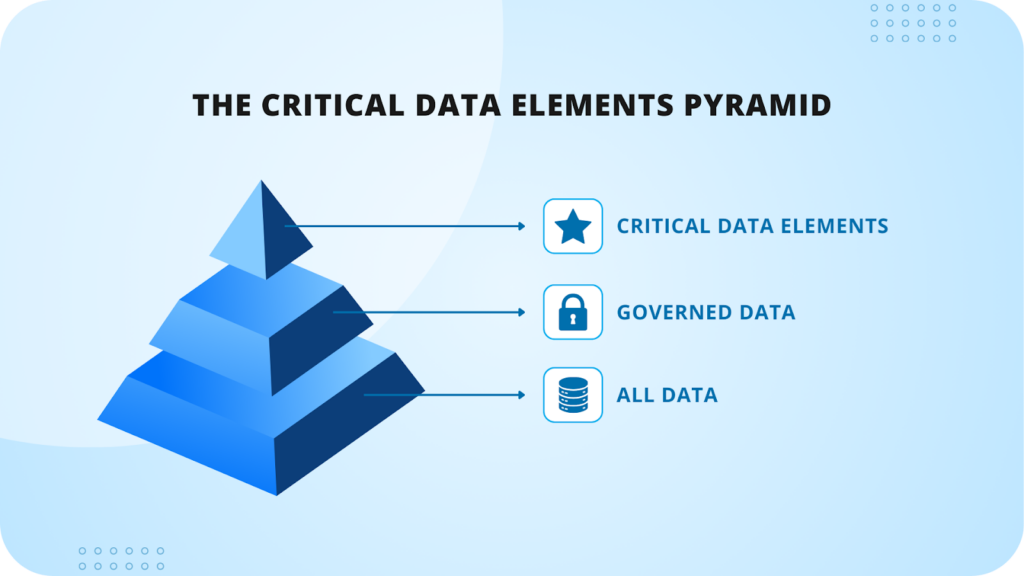
Businesses should therefore identify the datasets that directly influence important decisions, financial transactions, regulatory obligations, and customer experiences. Prioritizing these datasets helps teams focus their resources where poor data quality could cause the greatest harm.
Define Clear Data Quality Standards
Once critical datasets have been identified, the next step is to establish measurable standards for acceptable data quality. These standards should reflect the business requirements of each dataset.
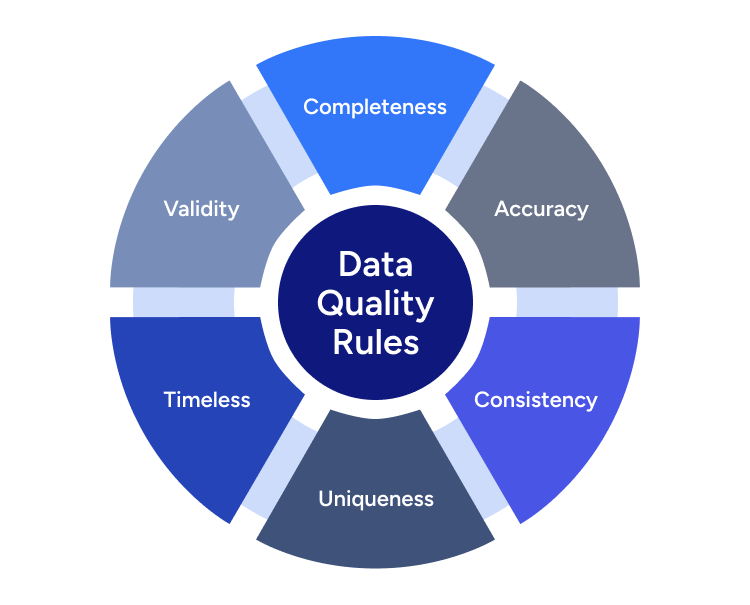
Accuracy determines whether recorded information reflects reality. Completeness measures whether required fields contain the necessary information. Consistency ensures that the same information is represented uniformly across systems. Validity checks whether values follow established rules, while uniqueness helps identify duplicate records. Timeliness determines whether information is sufficiently current for its intended purpose.
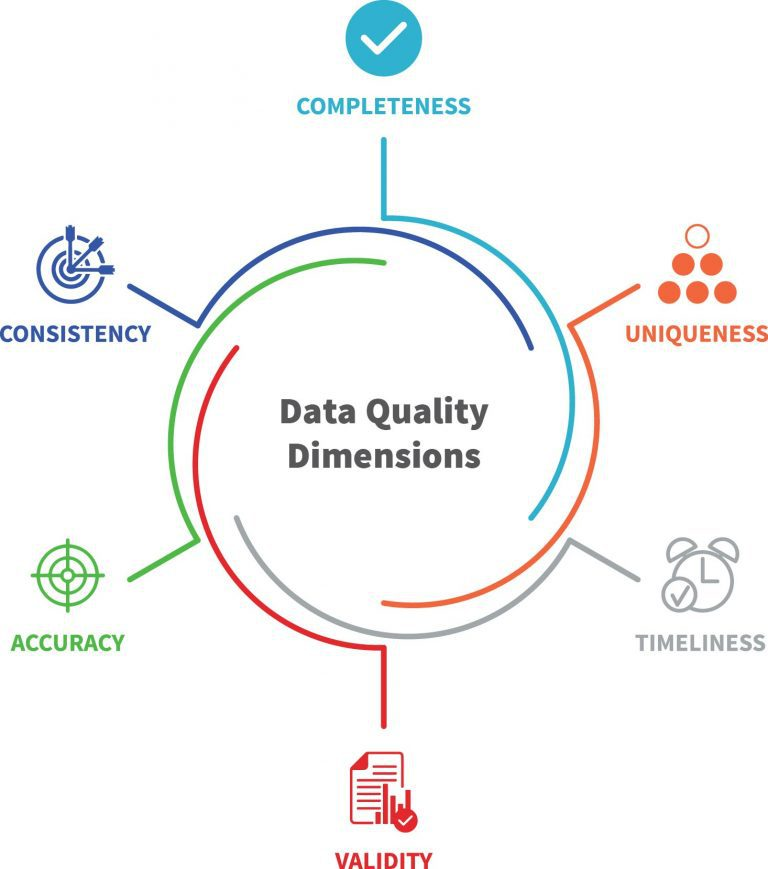
For example, a customer database may require every active customer record to contain a valid customer identifier, an appropriately formatted email address, and a clearly defined account status. Establishing these rules gives business analysts, data engineers, and operational teams a shared understanding of what reliable data looks like.
Profile and Measure Existing Data
After defining the standards, organizations need to assess the current condition of their data. Data profiling helps uncover missing values, duplicates, unexpected formats, invalid entries, and inconsistencies that may not be immediately visible in reports or dashboards.
Tools such as SQL, Python, spreadsheets, and data quality platforms can help automate these checks. For instance, an analyst can use SQL to identify duplicate customer IDs, examine records with missing transaction dates, or compare order totals against expected business rules.
The results establish a baseline for improvement. Instead of saying that a database contains too many errors, a team can measure the percentage of incomplete records, the number of duplicate entries, or the proportion of transactions that fail validation. These measurements make progress easier to track and communicate.
Investigate the Root Causes of Data Problems
Finding an error is only part of the solution. Organizations also need to understand why it occurred.
Duplicate customer records, for example, may result from multiple registration channels that do not share a common customer identifier. Missing product information may indicate that an application allows users to submit incomplete forms. Inconsistent financial figures may arise because departments apply different definitions or calculation rules.
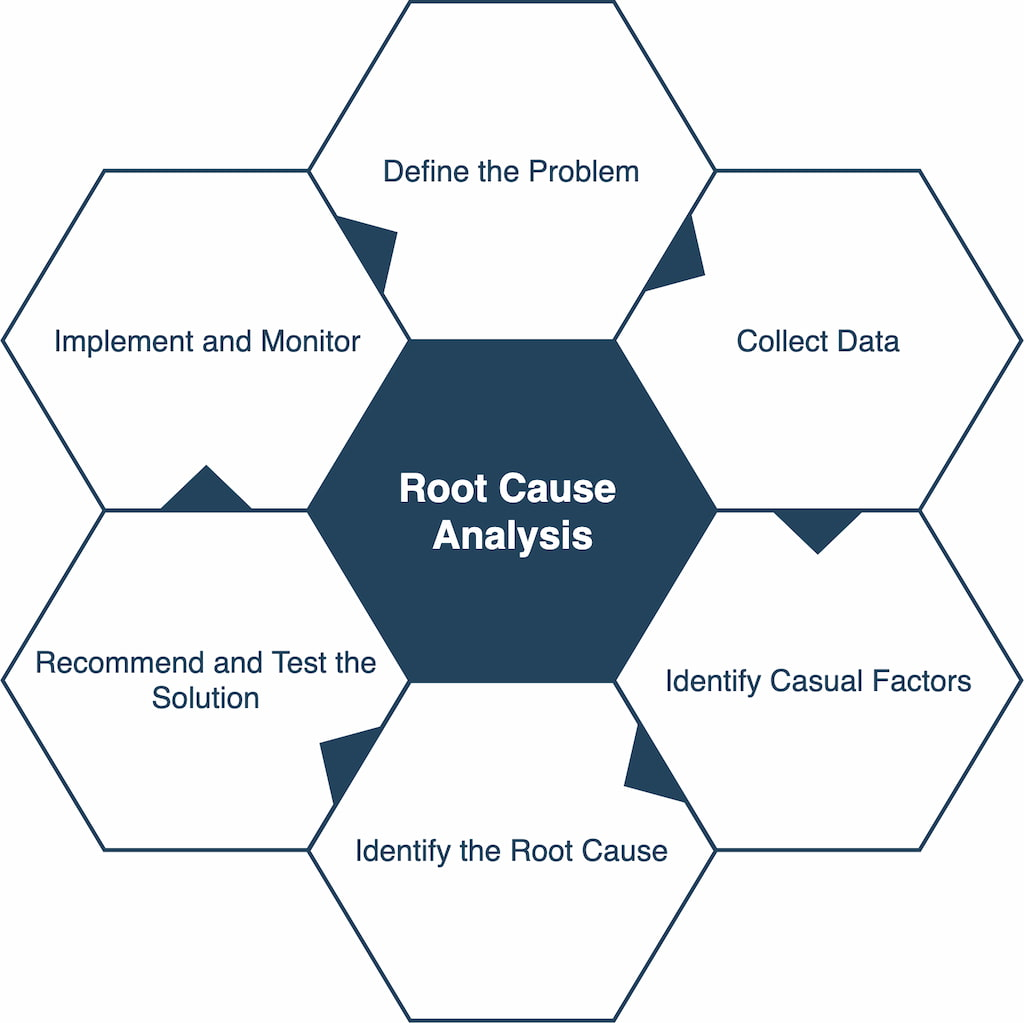
Correcting individual records without addressing these underlying causes creates a cycle of repeated data cleaning. A more effective approach combines technical investigation with an understanding of business processes, system integrations, and user behavior.
Business analysts can help by mapping the flow of information from its original source to its final use. This makes it easier to identify where errors enter the system and which process changes are needed to prevent them.
Establish Clear Data Ownership and Accountability
Data quality improves when responsibility is clearly defined. Without ownership, departments may assume that another team is responsible for correcting errors, maintaining standards, or resolving conflicting information.
A practical framework establishes accountability across business and technical teams. Business data owners define requirements and approve important rules. Data stewards help maintain definitions, monitor quality, and coordinate issue resolution. Technical teams implement validation rules, manage integrations, and maintain the systems that store and process information.
This shared responsibility ensures that data quality is not treated exclusively as an IT problem. Business users understand the meaning and intended use of the data, while technical specialists ensure that systems support those requirements.
Implement Preventive Controls and Automated Monitoring
The most sustainable way to improve data quality is to prevent errors before they spread through business systems. Preventive controls can include mandatory fields, valid-value restrictions, duplicate detection, standardized formats, and automated checks during data entry or integration.
For example, an order management system can reject a transaction if the product identifier does not exist or the quantity falls outside an acceptable range. A data pipeline can flag unexpected changes in transaction volumes before the information reaches a reporting dashboard.
Automated monitoring also helps teams detect emerging problems. When a dataset suddenly contains more missing values than usual, a validation rule can trigger an alert for investigation. This reduces reliance on manual inspections and helps organizations respond before data issues affect important decisions.
However, automation should complement rather than replace human judgment. Some unusual values are legitimate business exceptions, so validation rules must reflect real operational requirements.
Measure Improvement Through Meaningful Metrics
A data quality framework needs measurable indicators to determine whether it is working. Useful measures include validation pass rates, duplicate-record percentages, completeness rates, reconciliation discrepancies, and the average time required to resolve data quality issues.
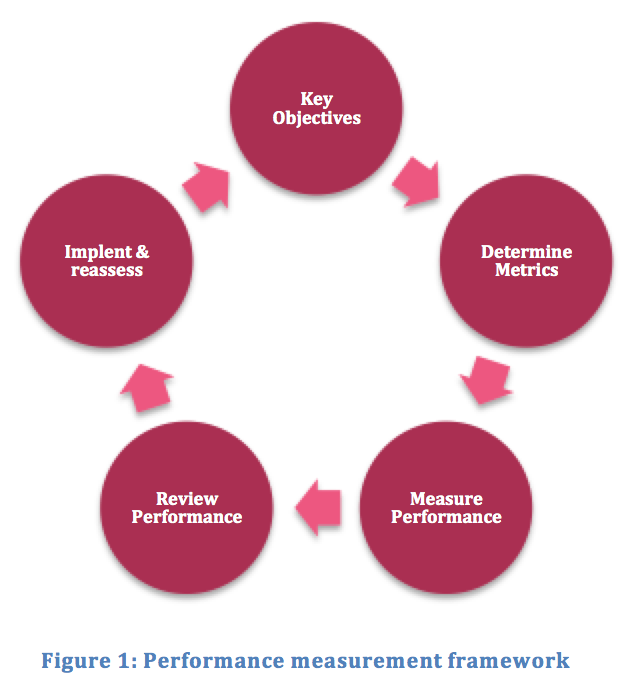
These indicators should be connected to business outcomes wherever possible. For example, reducing duplicate customer records may improve campaign targeting, while increasing inventory accuracy may reduce order cancellations and emergency stock replenishment.
Regular reviews help teams identify persistent weaknesses and determine whether their corrective actions are effective. They also provide evidence for prioritizing future investments in data governance, system improvements, and staff training.
Make Data Quality a Continuous Process
Data quality is not a project that ends when an existing database has been cleaned. Business processes change, new applications are introduced, customer behavior evolves, and data volumes increase. Each change can introduce new quality risks.
Organizations should therefore review their standards, validation rules, monitoring results, and ownership arrangements regularly. Lessons from recurring incidents should inform improvements to systems and workflows.
A continuous improvement approach creates a feedback loop: teams measure data quality, investigate problems, implement corrective actions, and evaluate the results. Over time, this helps reduce repeated errors and builds greater confidence in business reporting and analytics.
A practical data quality framework gives businesses a structured way to improve the reliability of their information. By prioritizing critical data, defining measurable standards, profiling existing records, investigating root causes, assigning ownership, implementing preventive controls, and monitoring results, organizations can address data problems at their source.
The ultimate goal is not simply to produce cleaner databases. It is to ensure that the information used in daily operations, business intelligence, forecasting, and strategic planning is reliable enough to support sound decisions.
When data quality becomes a continuous business responsibility, organizations are better positioned to reduce avoidable costs, improve operational performance, and turn their data into a dependable foundation for growth.